
Types of Logos: Brief and Clear
What is a logo and why does a brand need one?
Walking down the street, you see a lot of advertisements, brands, offers, and, of course, logos. First, we need to define what a logo is.
A logo (or “logotype”) is a graphic symbol or sign that identifies a brand, company, product, or service. A logo can include text, images, abstract shapes, or combinations of these graphic elements.
A logo plays a key role in a brand’s identity, it ensures consumer recognition and trust and is an advertising and marketing tool. It reflects the company’s values and increases competitiveness in the market. According to research, more than 75% of people recognize a brand by its logo.
“Interestingly, the first commercial logo is the Bass Brewery trademark emblem, created and registered in 1876 in England.”
The most common types of logos
It may seem that a logo is a simple combination of text and image, but it is not. There are many approaches to creating a logo, and we will tell you about the main ones, as well as how this or that approach can be useful for a brand.
Text logo
This is a logo where the main element is a text written in a specific font or style. It can usually be a company name, slogan, or other text element that identifies the brand. One of the main distinctive features of a font logo is that it uses text as the main graphic element, and the font itself can be created or chosen to reflect the personality and character of the brand.
Typeface logos can be simple or stylized, they can use an individually created font or graphically processed text. Such a logo can be quite effective when the text element is easy to remember and associate with the brand. Additionally, when the font itself reflects the style or characteristics of the company, it enhances the overall impact.
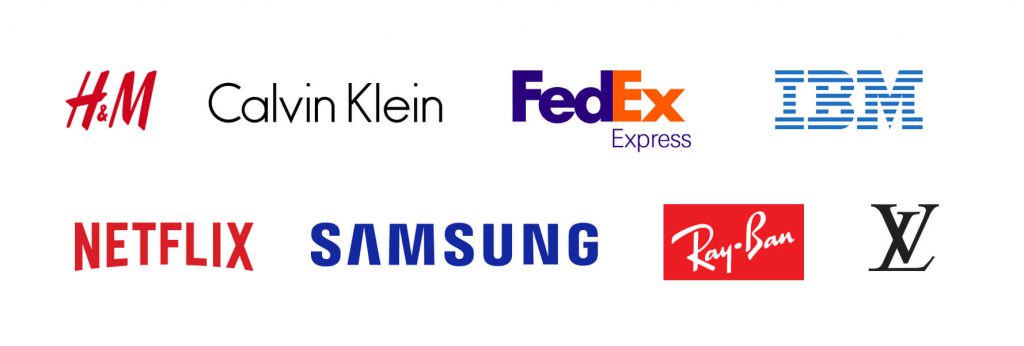
A font logo can be made in the form of an abbreviation or monogram when the company name is long or has a complex adaptation for different countries.
The advantage of a font logo is its simplicity and recognizability. If your company has a short name, a text logo will be a good option for your brand. Simple text is easily perceived by consumers. A text logo can focus the consumer’s attention on the features or differences of your brand among others. In addition, it should be noted that a text logo lends itself better to redesign without losing visual recognition.
Symbolic logo
In this type of logo, the main element is a graphic symbol, emblem, or icon, not text. It can be an abstract image, a stylized shape, or a specific object that becomes a defining element of brand identification. The symbol often creates visual associations that evoke emotions or are associated with the core values and character of the brand. Symbolic logos can be unique and stand out from the competition, promoting recognition.
A symbolic logo creates great opportunities for a brand’s visual identity, but it should be borne in mind that creating a branded image requires creativity, experience, and time. In addition, it is important that the logo does not become outdated and has to be changed, as this can lead to a loss of recognition.
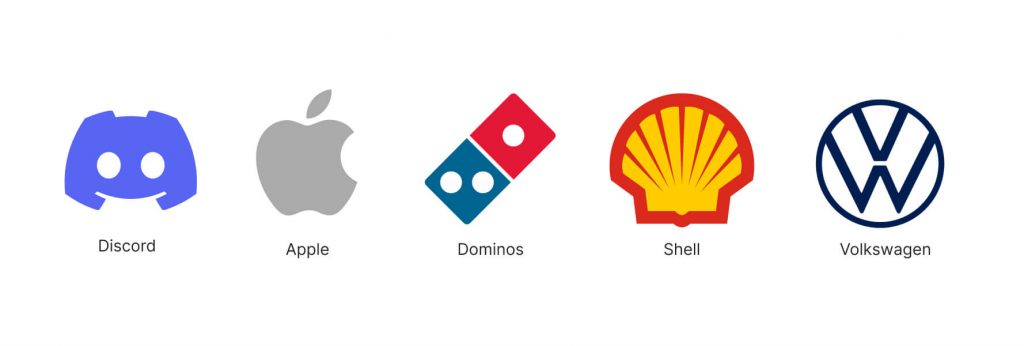
A clear advantage of symbolic logos is their recognizability and adaptability, as they do not require “translation” and can perfectly show the consumer the specifics of the company’s activities (for example, Instagram or YouTube logos). Such logos are quicker and easier to remember, strengthening the emotional connection between the consumer and the brand. However, there are better options than a symbolic logo for companies that are just entering the market, because the symbol must be reinforced by the experience that the user will associate with the brand, and this takes time.
Combined logo
This is the most popular type of logo in the world, combining typography and images. According to Fortune 500, 61% of companies opt for a combined logo. What is its essence and why is it so popular?
In simple terms, it is a logo that combines an image or symbol with a text element (brand name). For example, the Adidas logo has three stripes and the word “Adidas”. This combination of graphics and text helps brand recognition.
A composite logo is a versatile choice for improving recognition because it allows consumers to easily remember the brand and associate its name with a unique image. A successful design allows the possibility of using the graphic element of the logo separately in the future, given that the audience is already familiar with it. Many well-known brands choose this approach, using the name or image separately depending on the communication format or platform.
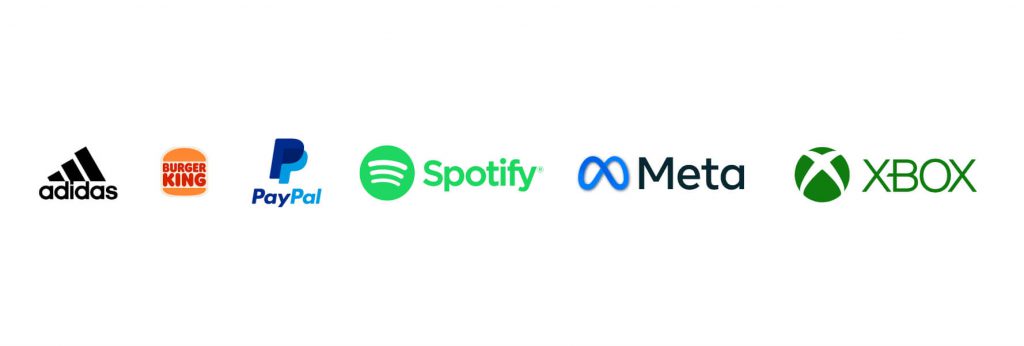
The advantage of combined logos lies in their versatility, as the use of text and graphics allows easy adaptation for diverse marketing requirements. Combining a name and an image in a logo can help to form a single and coherent brand concept. It is also ideal for companies that are just starting, as they will have a better chance of being remembered by using two visual cues at once – the name and the symbol.
Conclusions
We’ve covered three main types of easy-to-remember logos. In graphic design, each of these types has its specialties. For example, a text logo is divided into different typographic styles (calligraphic, etc.). Symbolic logos can be divided into emblems, abstractions, or character symbols. The same thing for any type of logo is its ability to be quickly remembered, evoke clear associations, and be consistent with brand values.
Creating a logo that accurately conveys the character of your brand, attracts the attention of the audience, and is easy to remember is not an easy task at all, because it is a conditional “passport” of your company, its cover. Creating a logo requires a careful approach, including market research, target audience, and sometimes testing the logo in consumer focus groups.
We will help you choose the logo that best suits the specifics of your business.